May diploma ka na, may konting internship or project experience — pero paano mo ipapakita ito sa isang way na professional at ready for employers?
A resume tells your story, pero in today’s hiring process, recruiters want to see proof. Kung wala silang makita online na portfolio mo, minsan, they skip to the next candidate.
In this episode, we’ll guide you step-by-step on creating a digital professional portfolio — a leveled-up version of a student portfolio — that’s polished, searchable, and ready to impress.
Table of Content
Why Creating a Digital Professional Portfolio Matters
Graduating is just the first step. Once you start applying for jobs, mapapansin mo:
Maraming employers ang naghahanap hindi lang ng resume, pero may “digital professional portfolio” din.
A resume tells them your background — your education, work history, and skills.
A digital portfolio shows them actual proof na kaya mong gawin ang mga skills na ‘yan, in a way they can check anytime online.
Why it matters:
- Proof beats promise. Kahit sabihin mong magaling ka, employers trust you more kapag may online link sila na puwede nilang i-check.
- You stand out from other fresh grads. Many have the same degree, pero hindi lahat may professional portfolio online.
- You become discoverable. Recruiters can find you through keywords and samples even before you send your application.
According to studies by Alan (2014) and Ayaz et al. (2020), e-portfolios — which use digital tools like audio, video, graphics, and text — offer more flexibility, stronger skill demonstration, and easier storage than traditional paper portfolios, making them a more effective way to showcase and assess a graduate’s abilities.
Building Your Digital Professional Portfolio
1. Choose the Right Platform
Why it’s good:
Your Professional portfolio platform is your online “home base” — kung saan makikita ng employers lahat ng best work mo in one place. A good platform makes your portfolio look professional and easy to navigate.
Popular platforms for fresh grads:
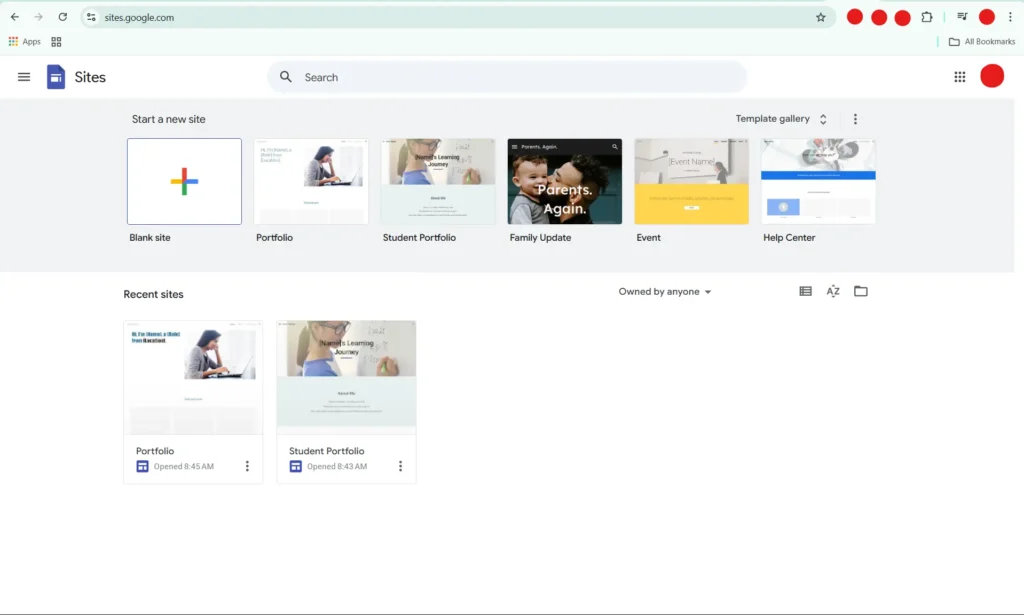
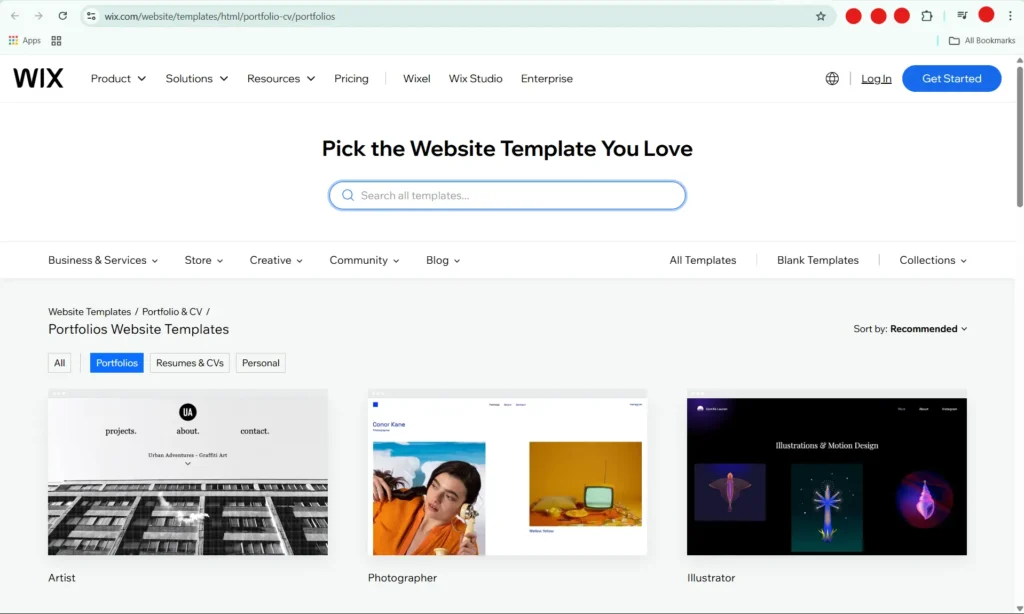
- Free options: Google Sites (simple and beginner-friendly), Canva (drag-and-drop design), Wix (customizable templates)
- Professional options: WordPress (flexible for long-term use), Squarespace (sleek and modern designs)
How to start:
- Pick a platform based on your needs and skill level.
- Choose a clean, mobile-friendly template.
- Use your full name in your portfolio link (e.g., juandelacruzportfolio.com) para madaling mahanap ng recruiters.
Pro Tip: 70% of recruiters check portfolios using their phones — always test if yours looks good on mobile.
2. Include the Essential Sections
Why it’s good:
A professional portfolio isn’t just a photo album — it’s a professional presentation of your skills, achievements, and personality. The right sections help recruiters see your potential quickly.
Must-have sections:
- About Me – Short intro, career goals, and a professional photo
- Resume / CV – Downloadable PDF so employers can keep a copy
- Skills & Certifications – Only the most relevant to your target industry
- Sample Works – With short descriptions of your role and results
- Testimonials – Feedback from OJT supervisors, professors, or clients
- Contact Info – Email, LinkedIn, and professional social links
How to start:
- Write your About Me in 3–4 sentences max.
- Select 3–5 of your strongest works for your initial upload.
- Ask mentors or supervisors for short testimonials.
Pro Tip: Always include results in your work descriptions if possible (e.g., “Reduced project delivery time by 20%”).
Download: List of Editable Digital Professional Portfolio Templates for Fresh Grads
3. Make It Easy to Share and Find
Why it’s good:
A great professional portfolio won’t help if no one sees it. Make it accessible and searchable so recruiters can find you anytime.
How to start:
- Add your professional portfolio link to your resume, LinkedIn, and email signature.
- Use keywords that match your target role (e.g., “Social Media Marketing Portfolio Philippines”).
- Share updates or new works on LinkedIn to show you’re active.
Pro Tip: Recruiters often search for portfolios using job-related keywords — optimize your text so you appear in their results.
Boosting Your Portfolio’s Professional Image
1. Use Quality Visuals
- High-resolution photos of your works/projects
- Consistent color scheme and fonts
2. Write Clear Descriptions
- State the problem, your role, and the result for each project
- Use numbers if possible (e.g., “Increased engagement by 50%”)
3. Keep It Updated
- Replace outdated works with stronger ones
- Add new skills and certifications as you earn them
Quick Action Plan – Your First 30 Days
Week 1: Pick your platform and draft your “About Me” section
Week 2: Upload your top 3–5 best works
Week 3: Connect your portfolio to LinkedIn and resume
Week 4: Share your portfolio link publicly for the first time
Conclusion
Your resume tells employers who you are, pero your digital portfolio shows them what you can do.
Kahit fresh grad ka, you can look like an experienced, professional candidate with the right presentation.
From job seeker to job seeker — trust us, your future employer is already looking for proof. Give them something worth saying YES to.
Join Us. Grow With Us. Ka-Komunidad Mo Kami.
✅ Subscribe to our Newsletter
Stay updated with new job tips, free templates, kwentos from real KaTrabahos, and upcoming events.
No noise. Just real help.
✅ Join Our Facebook Group
Real-time conversations, questions, kwentuhan, and job alerts — kasama ang buong Komunidad.
✅ Submit Your Story or Tip
Your voice might be the sign someone else is waiting for. Share your experience — it matters.
Leave a Reply